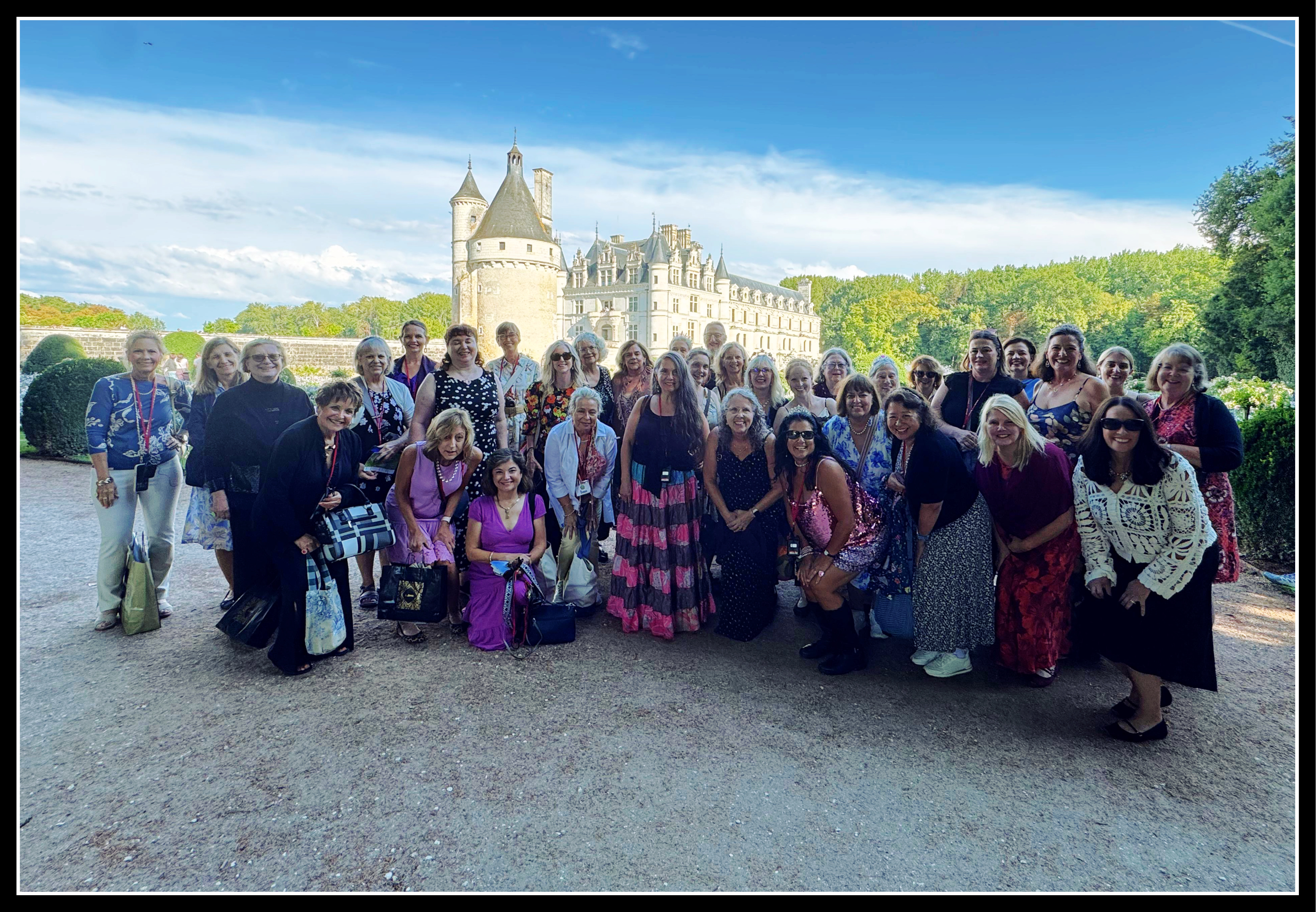
In August 2026, we set off on a new-to-us Field Trip with 36 excited travelers to the Loire Valley in France. Our goal: Six châteaux, one basilica, one cathedral, and the fantastic home of a beloved polymath. We started in Paris, ended back in Paris, and over-achieved our goal in between. It wasn’t all-history-all-the time (we were in France, there’s wine and cheese to be had) but the past came alive for all of us.
In this episode, we’re joined by most of those travelers who share the history they learned and touched, the stories of women who lived where we stood, and other adventures with friends new and old along the way in beautiful France.
Below is a pictoral travelogue of places we all talked about in this episode!
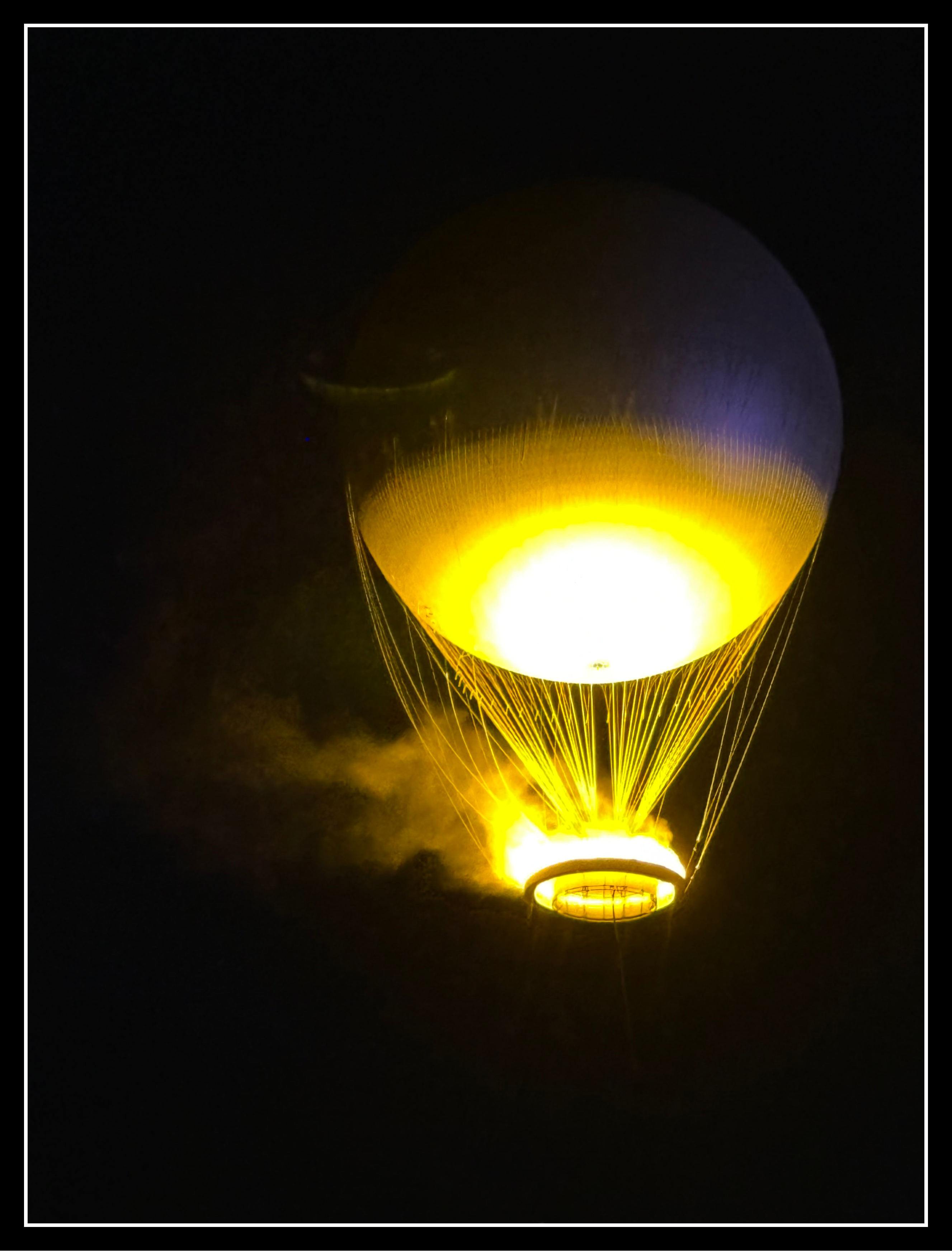
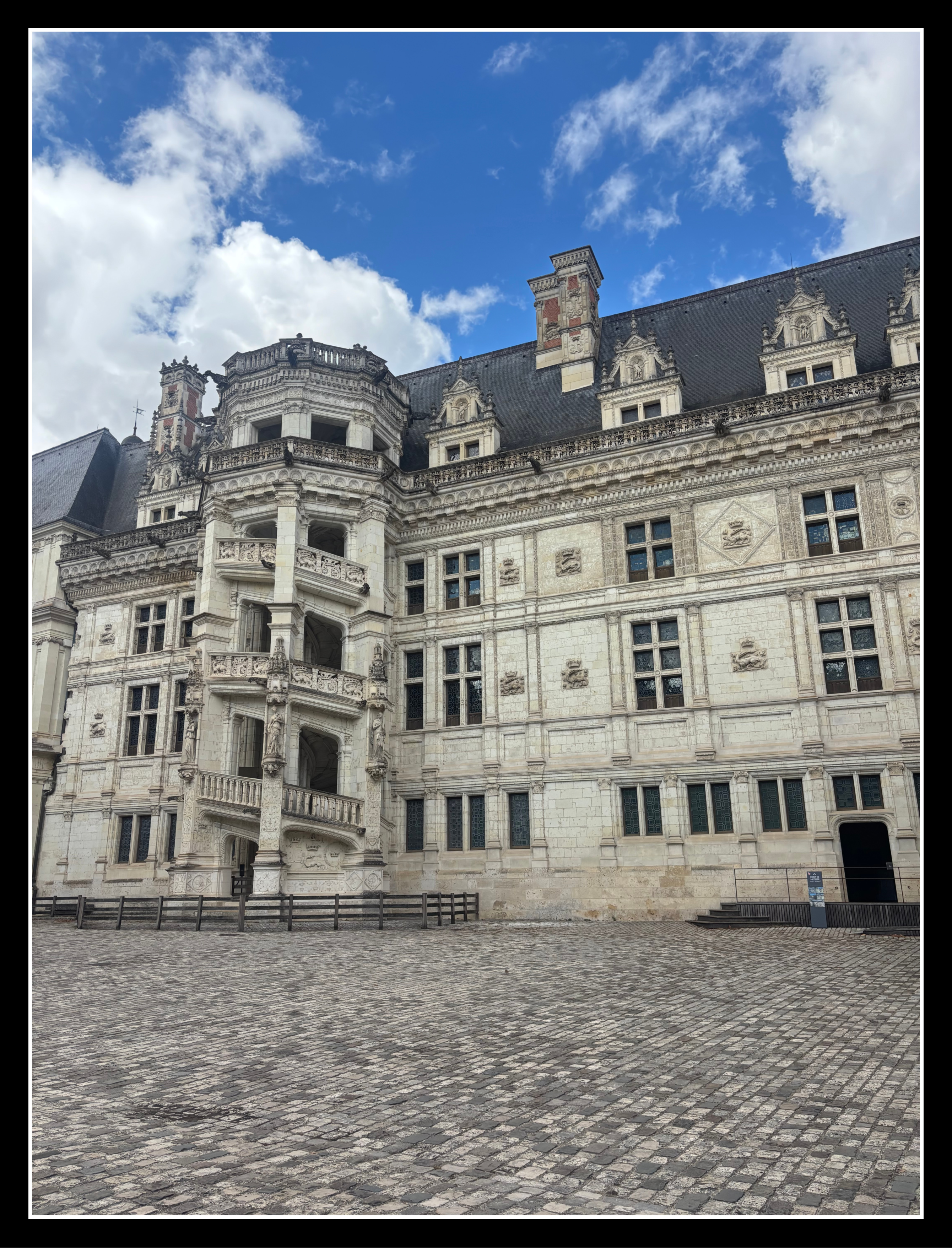
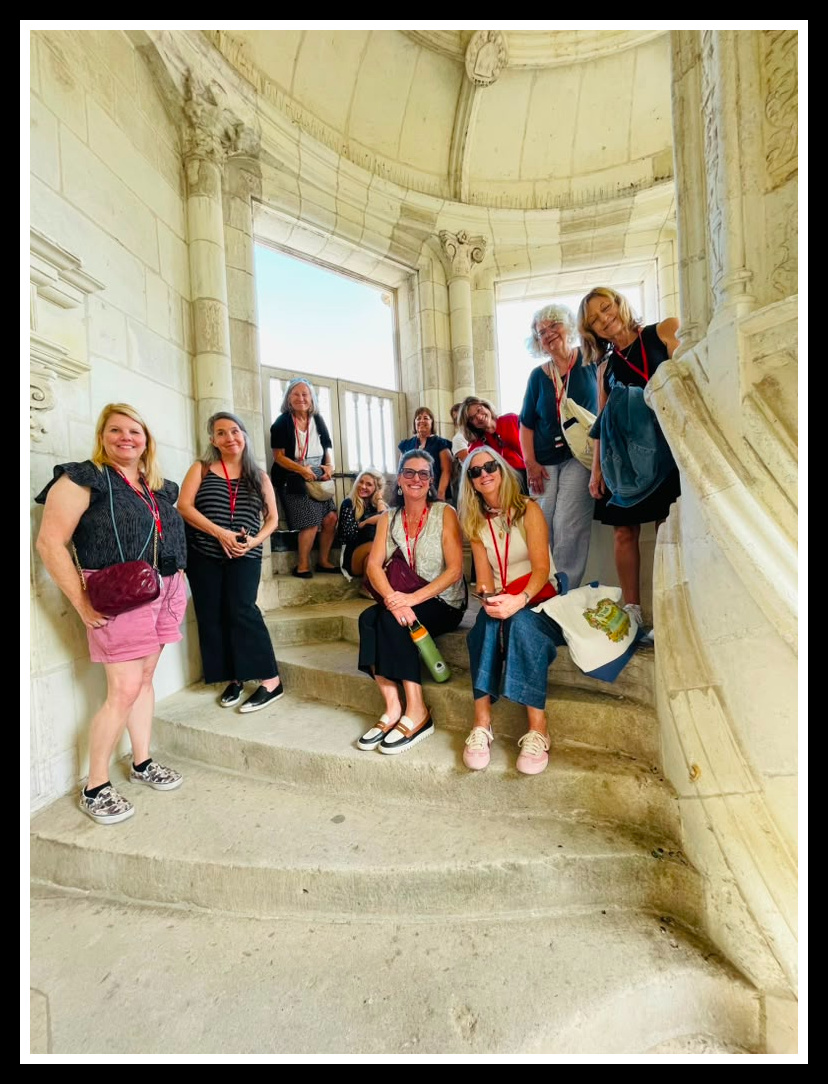
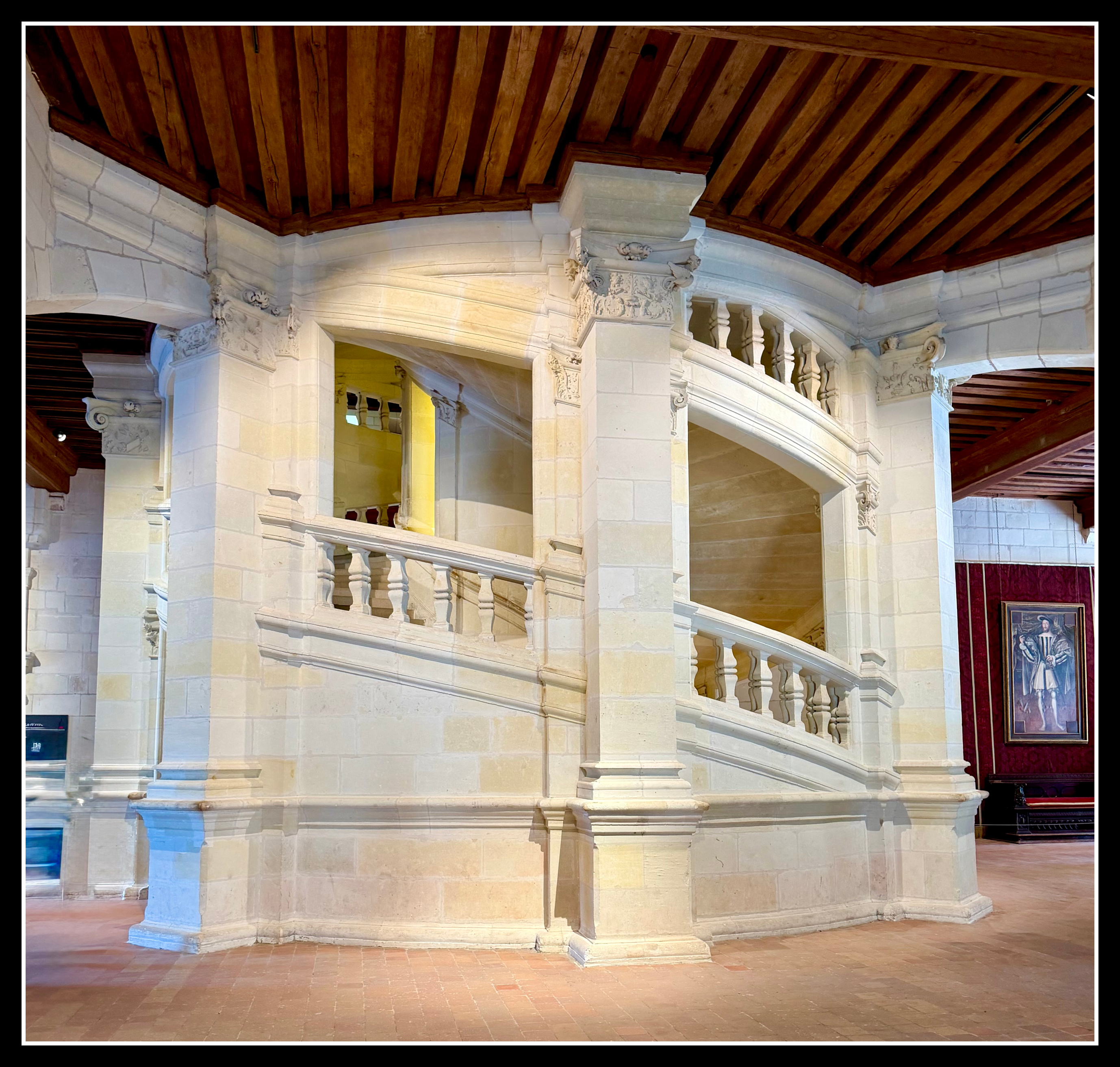
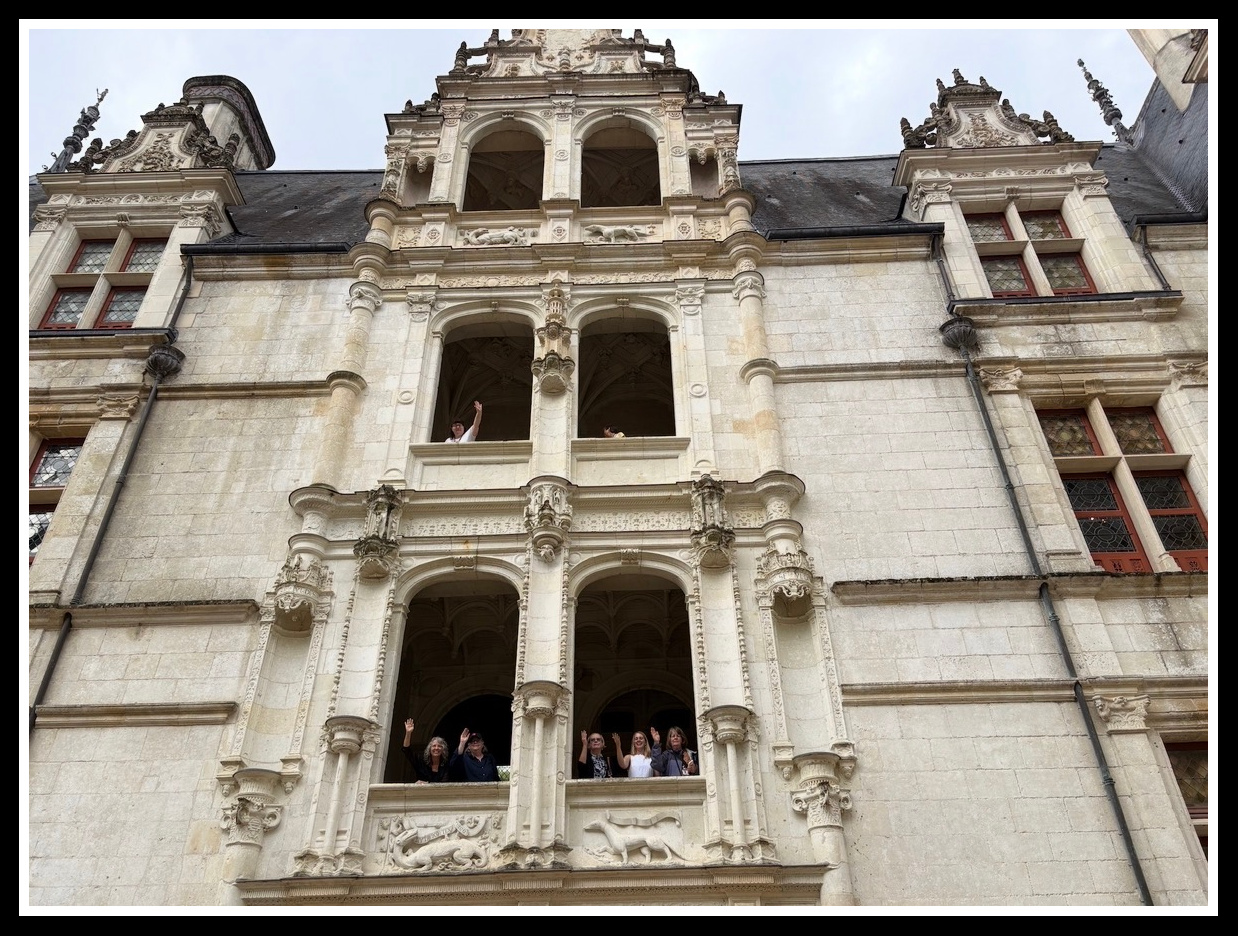
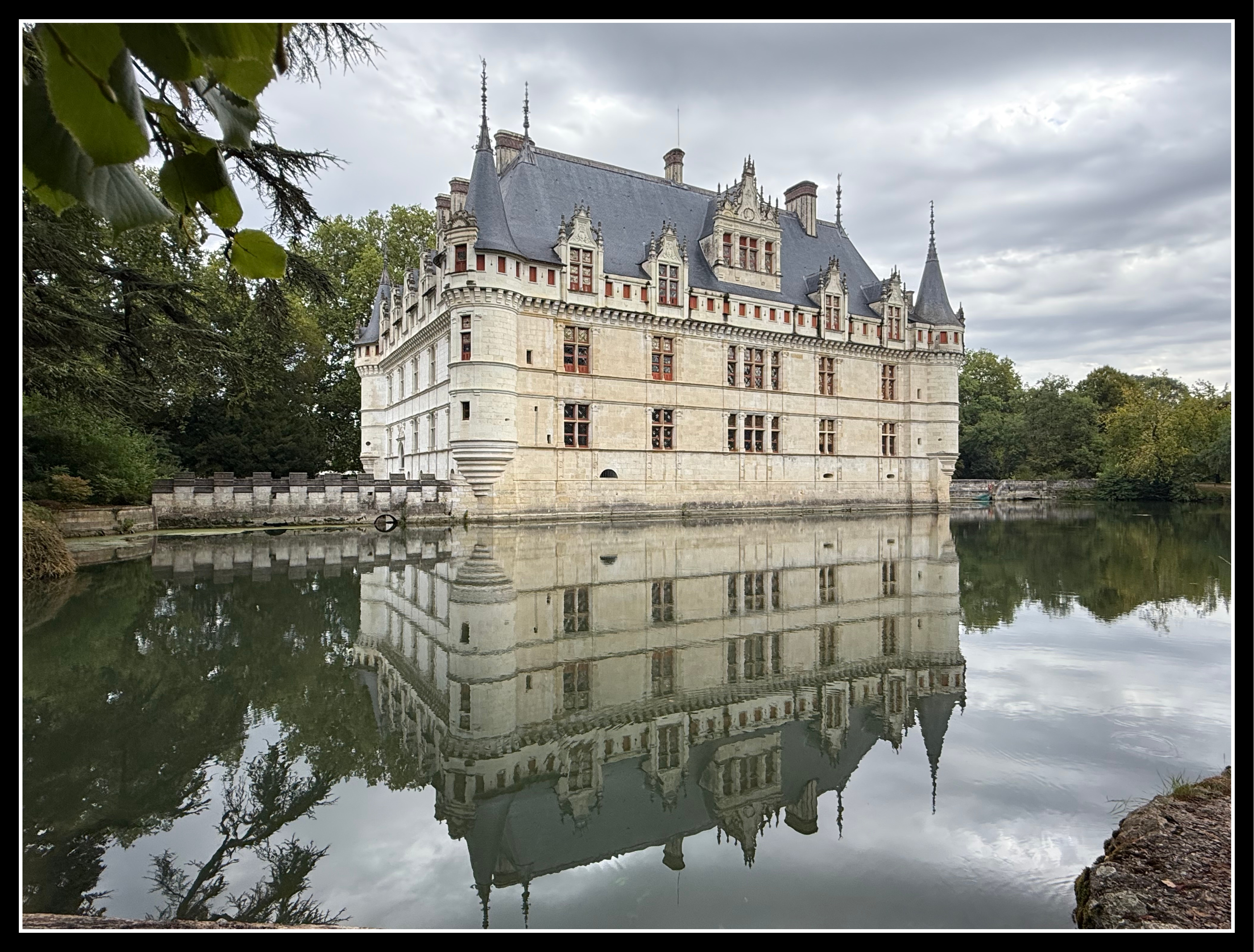
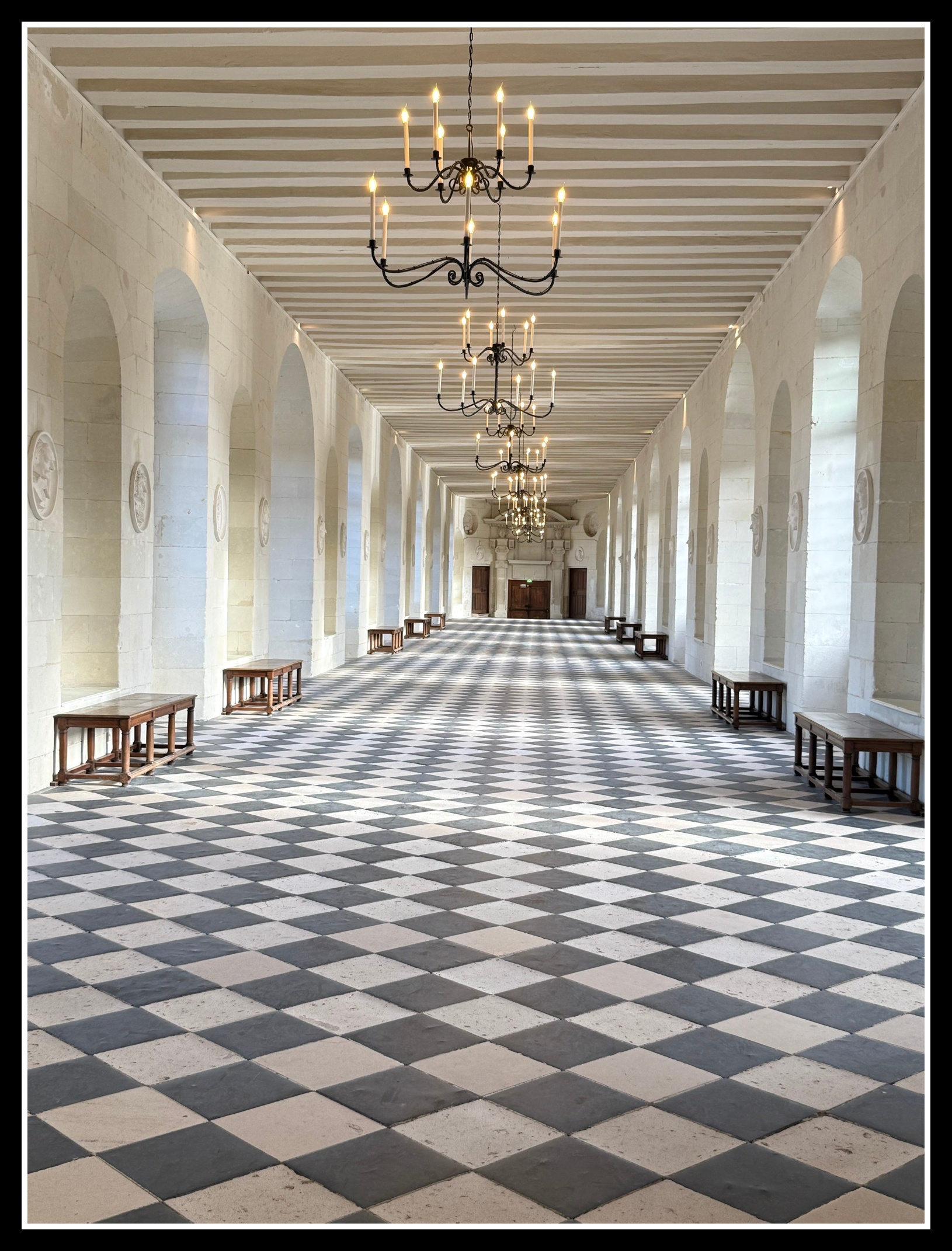
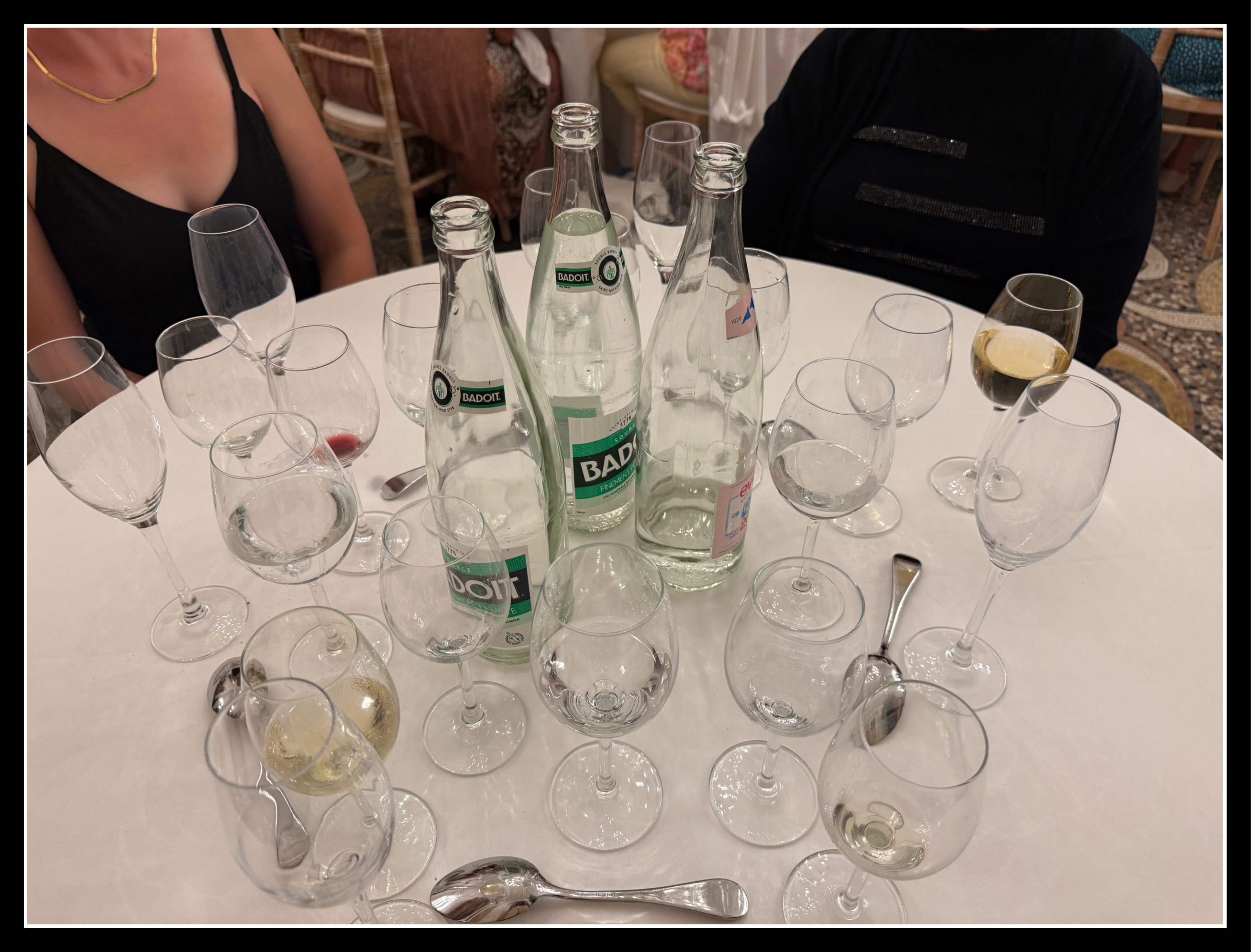
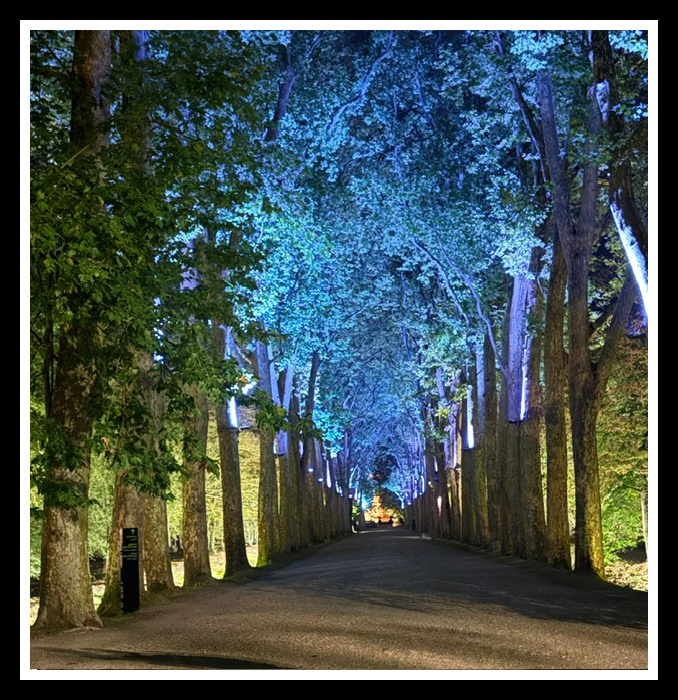
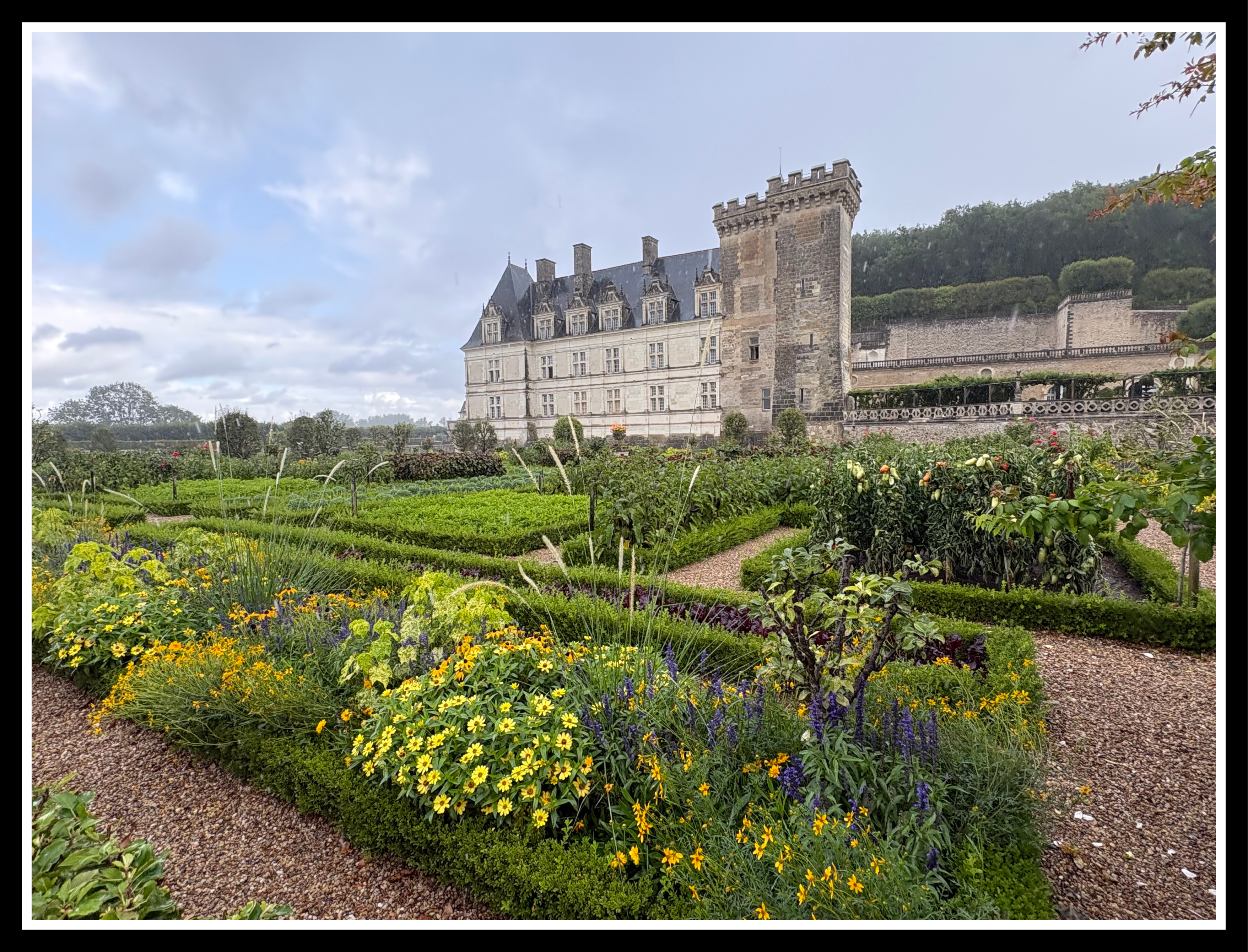
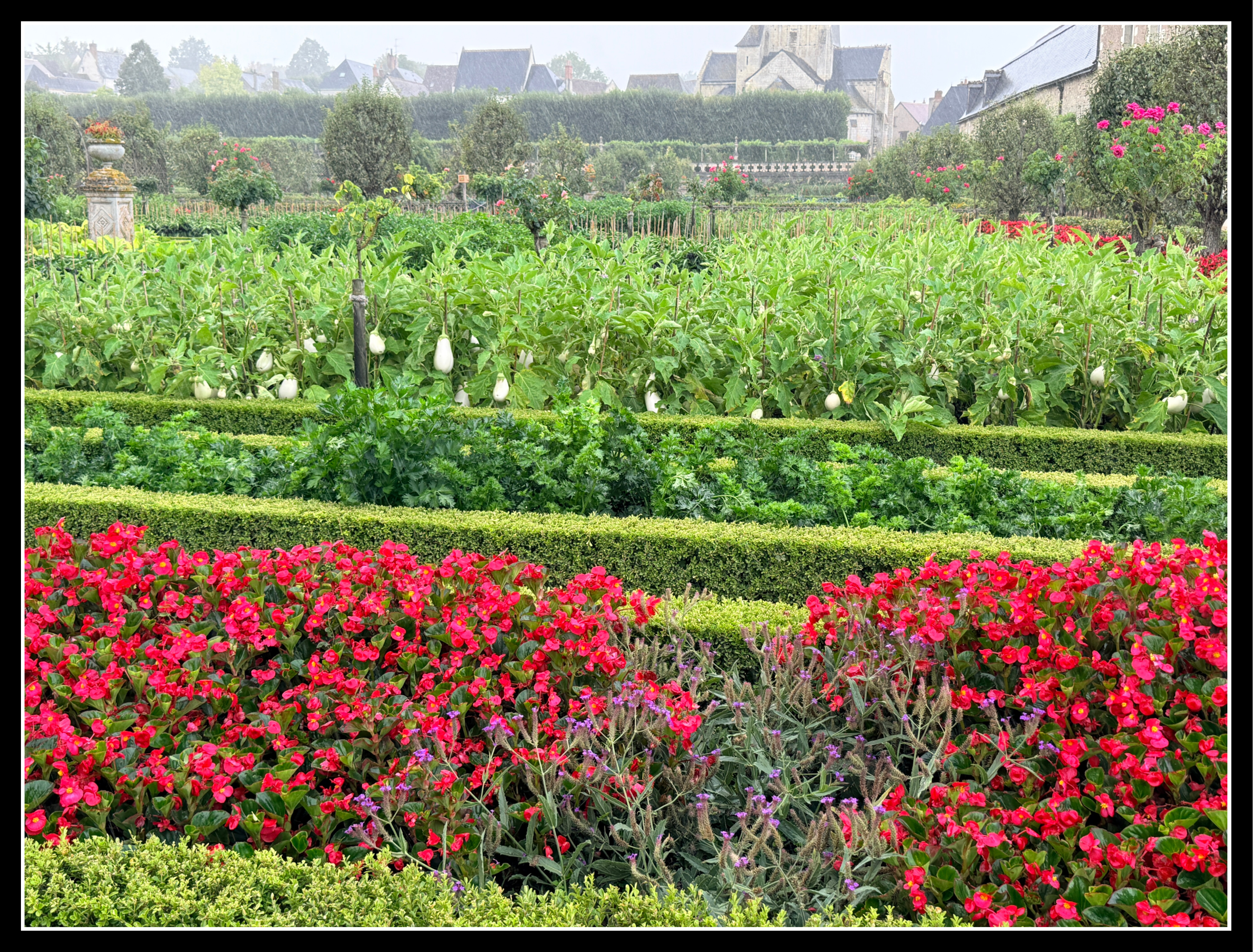
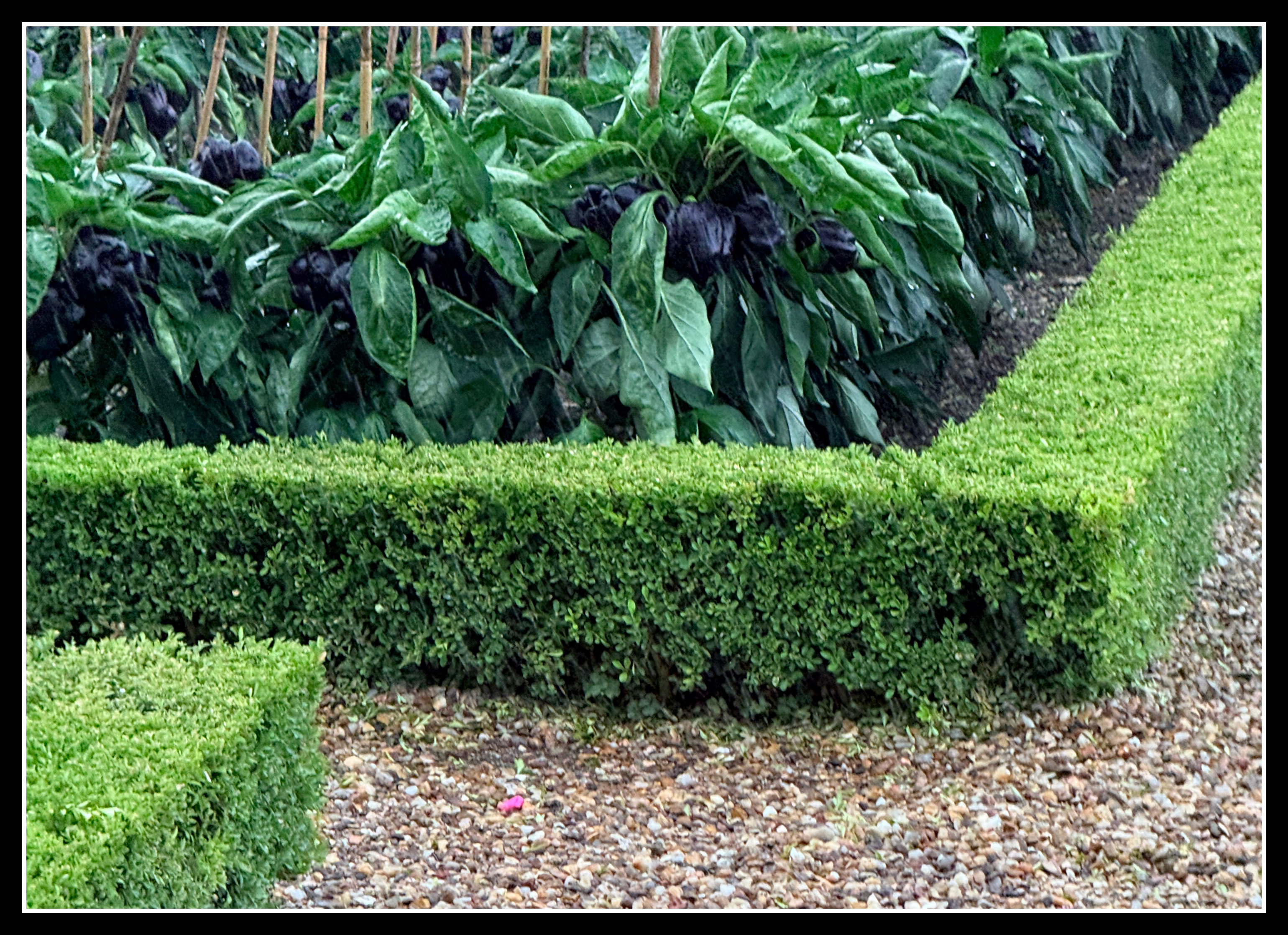
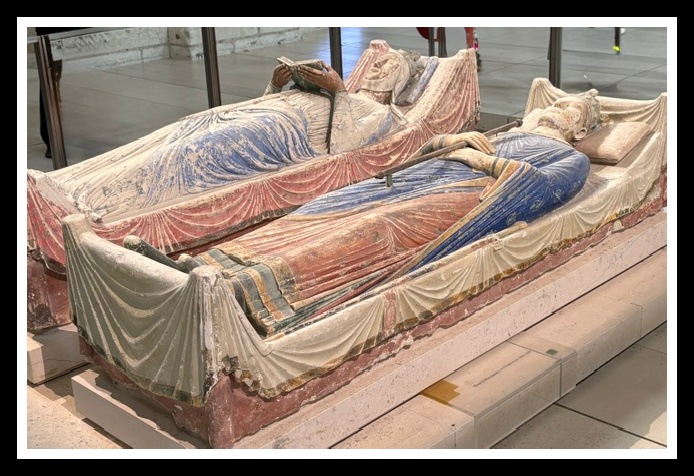
The Paris Olympic 2024 Cauldron was on display…and lit!…in the Tuileries Gardens in Paris. Photo: Nancy R.Our first stop after leaving two days in Paris: Chateau de Blois! Photo Sari G.Inside the main staircase at Blois. Photo, Sari G.After settling into our home base in Tours, we visited the largest of our stops- Chateau de Chambord. This is the iconic double-helix staircase- people can ascend and decend at the same time and never see each other! Photo, Victoria C.Some of us waving from the staircase windows at Château Azay le Rideau. Photo, Suelynne R.Azey le Rideau, credit Beckett G.We had Chenonceau to ourselves! This is the gallery that goes over the river credit, Susan V.Dinner glasswear, Chenonceau, L’Orangerie Credit Beckett G.Chateu de Chenonceau at night after our spectacular dinner in the Orangerie! Photo, Michelle M.From the stunning gardens at Chateuau de Villandry, Photo, a very soggy Nancy R.White eggplant at Villandry credit Susan V.Black peppers, Villandry credit Susan V.Eleanor of Aquitaine and King Henry II’s effigies at Abbey Royale de Fontevraud. Photo, Jerilyn C.
If joining us on a Field Trip sounds like something you would like to do, there are still a few openings for our 2027 trips to Paris in April and San Francisco in September. We will be opening up the final tour of 2027, Japan in October, soon! Visit Like Minds Travel for more information!
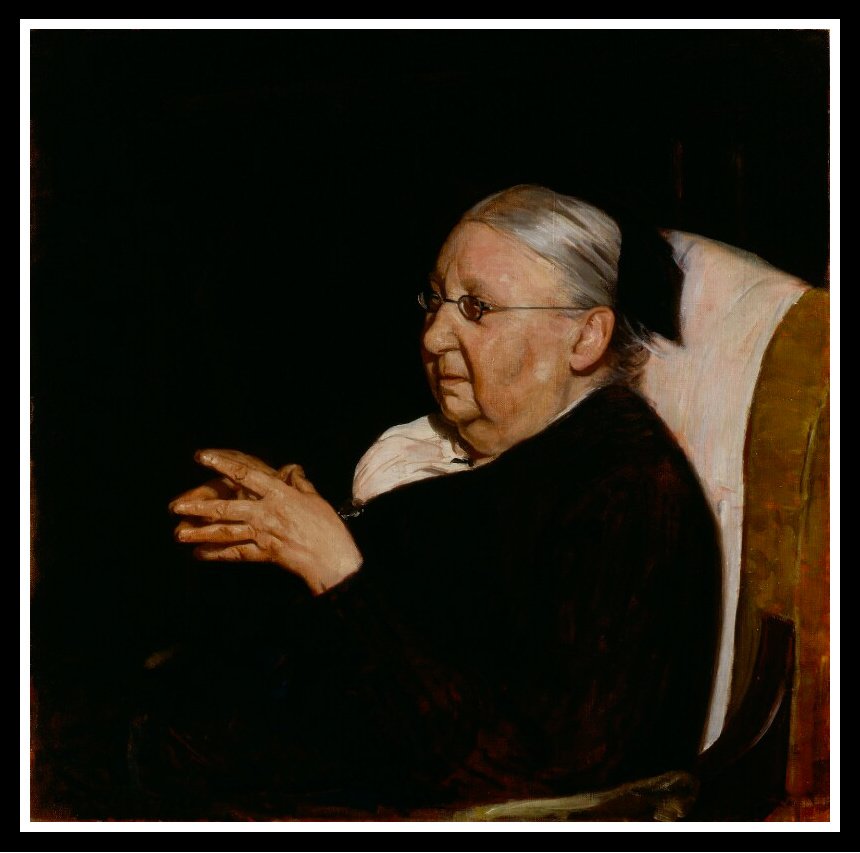
Gertrude at 77 in 1920, by William Nicholson (National Portrait Gallery)
Gertrude Jekyll could turn her hand to anything; deeply involved with the Arts and Crafts movement, she mastered dozens of specialties in her quest to explore the relationship between human lives and their environments.
As her eyesight failed, she turned to large-scale endeavors, and changed how the world thought about gardens, turning them from formal displays into living, breathing works of art. She used color, texture, and shape like a painter on a large, ever-changing canvas.
Gertrude’s innovations within her finished gardens – and decades of written work – made her an inspiration for generations of gardeners and landscape architects. And she became one of the most influential garden designers of all time.
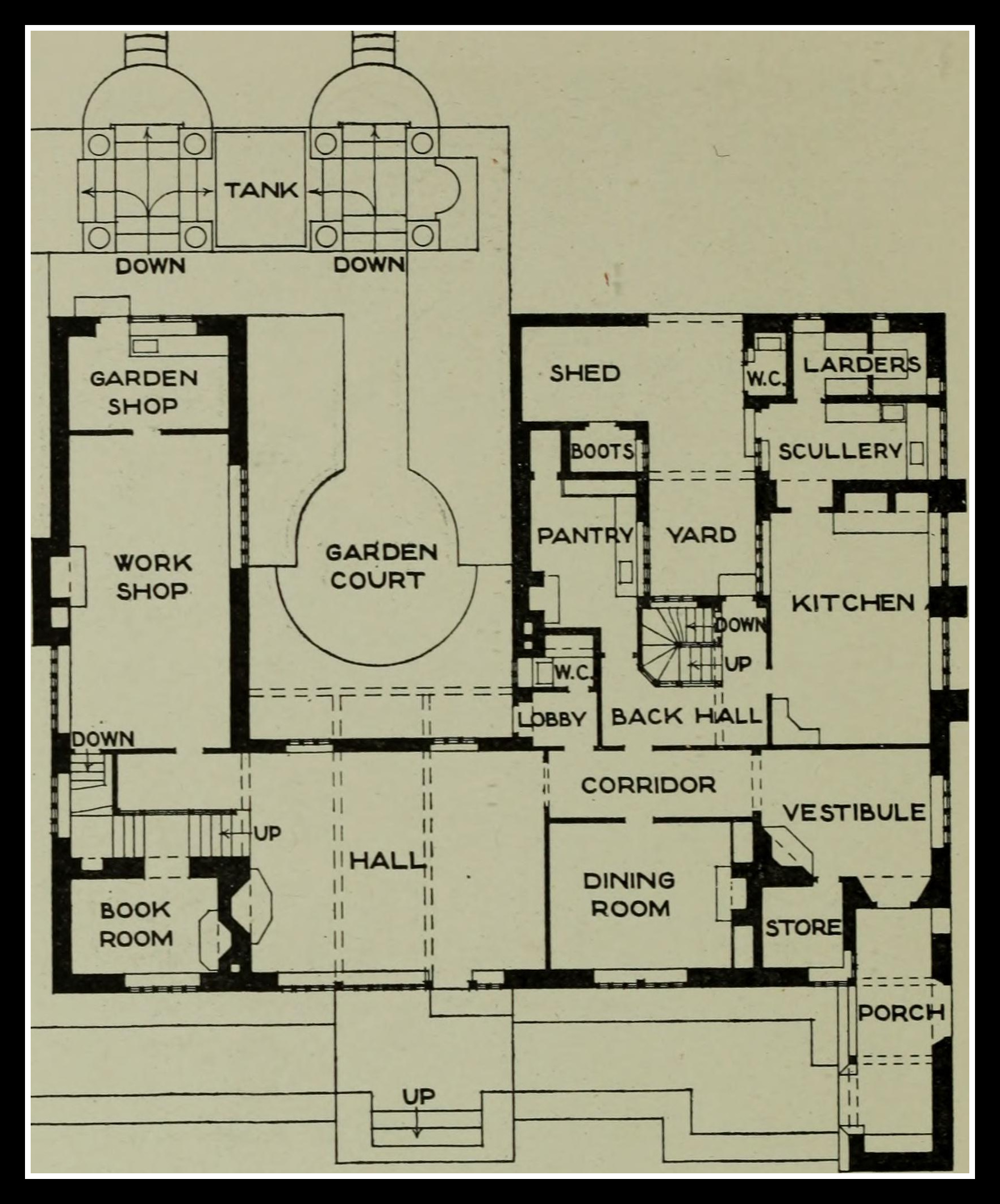
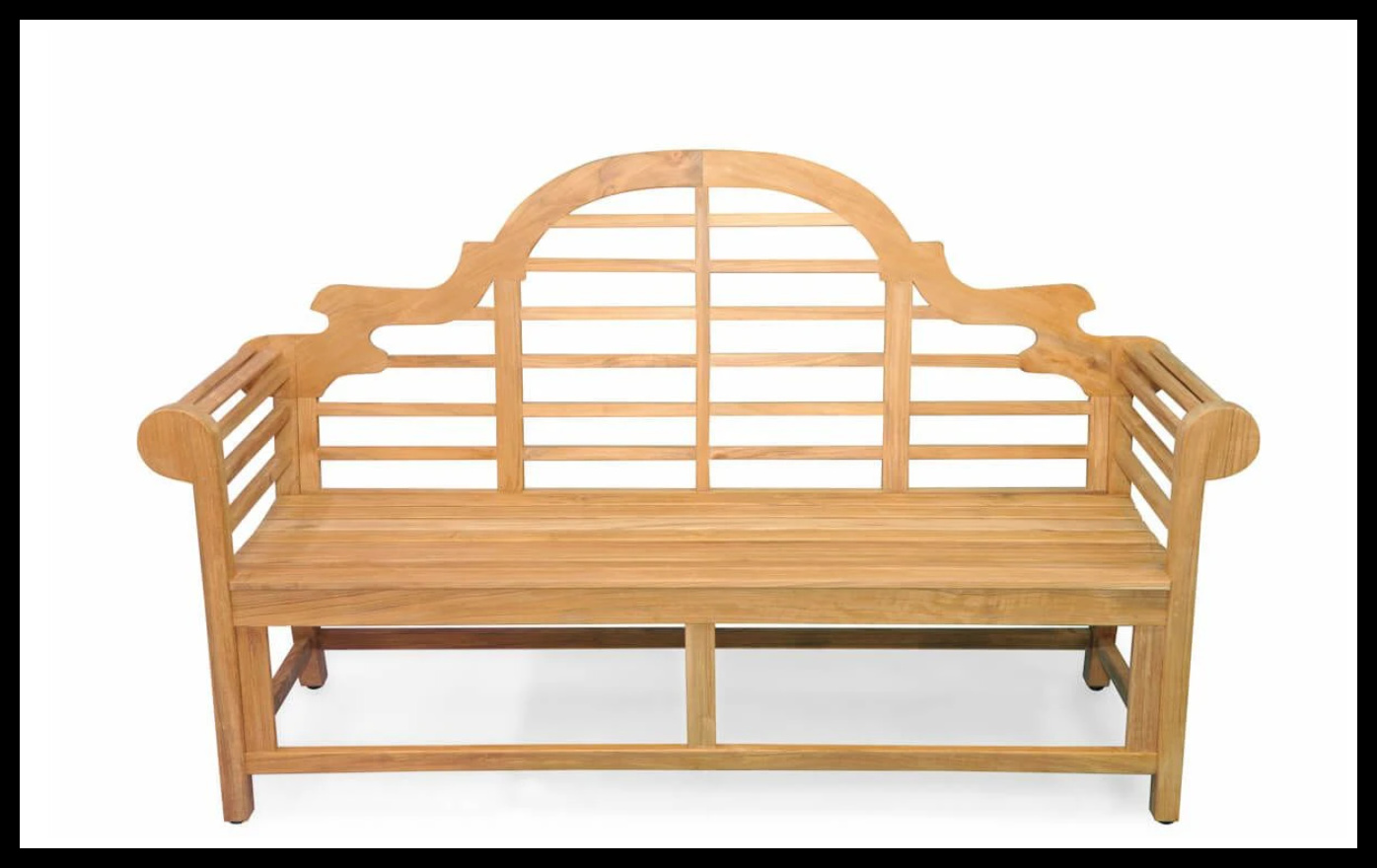
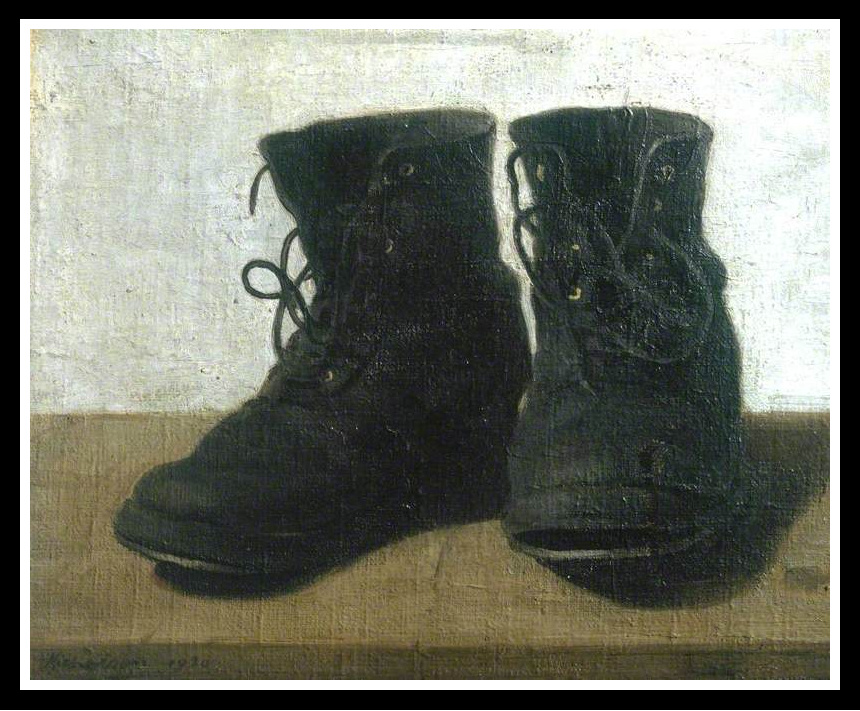
One of Gertrude’s maaaaany photographs at Munstead Wood via wikicommonsFirst floor of Munstead Wood via wikicommonsLutyens bench, this one’s about $1400 from Golden Teak, but you can find them in other places as well. Miss Jekyll’s Boots by William Nicholson, 1920 (it’s at the Tate Museum in London)
Registration is open for both our San Francisco Field Trip, and the Dinner Cruise on our final night in September, 2027! For information and to register, please visit Like Minds Travel! We hope to see you there!
Shownotes are under construction, please come back later for all of our media recommendations!
Time Travel With The History Chicks
Books!
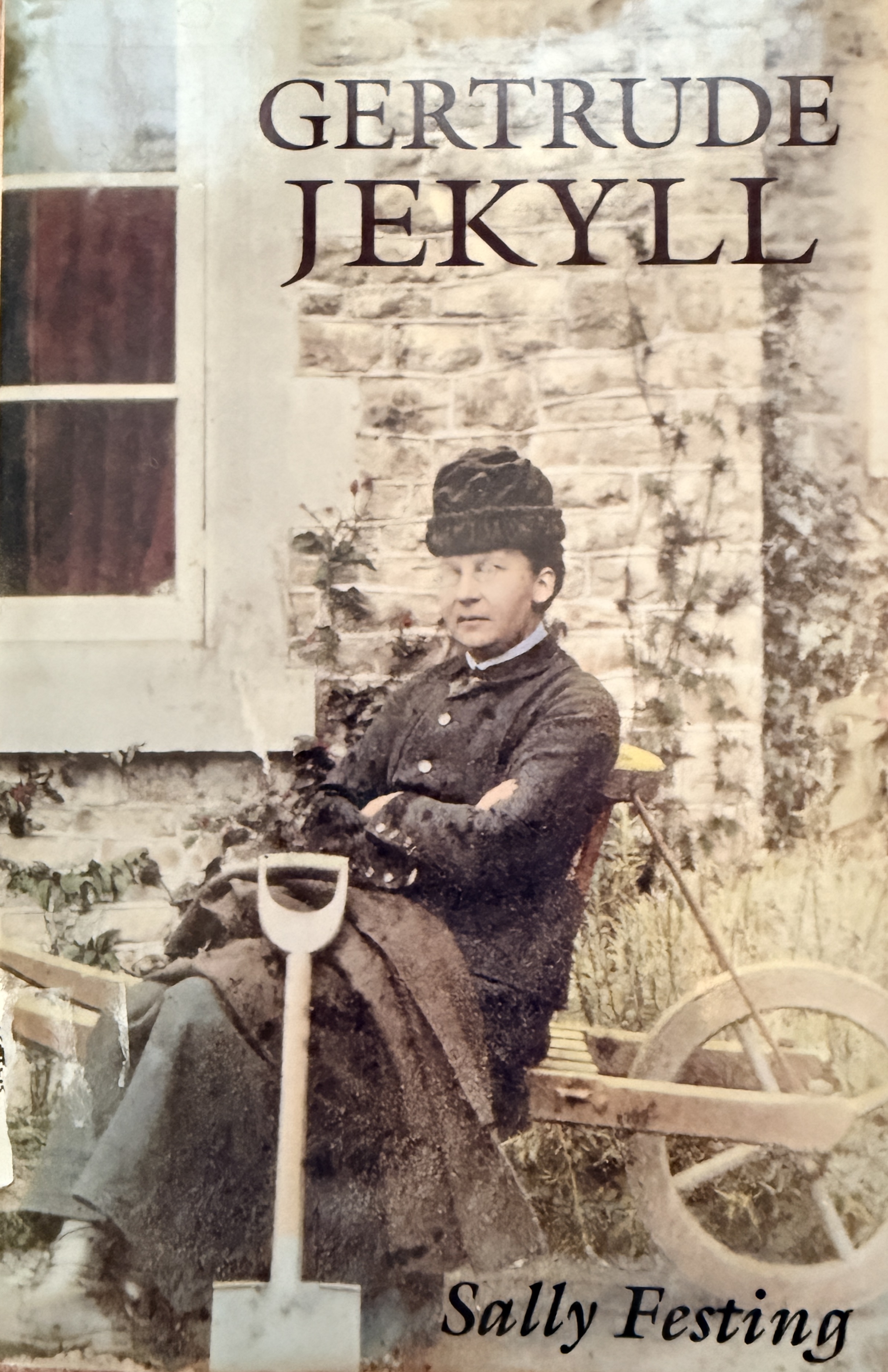
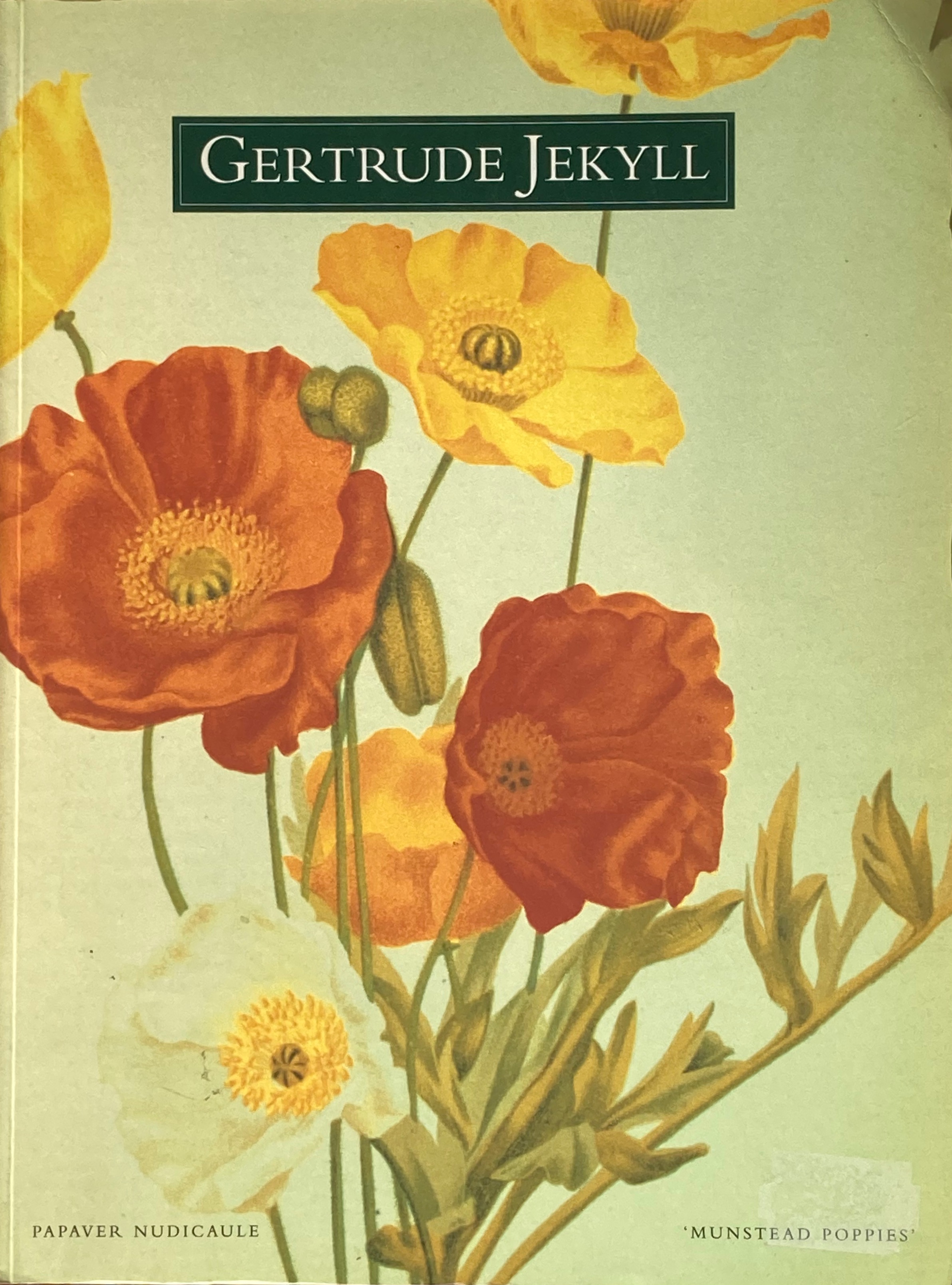
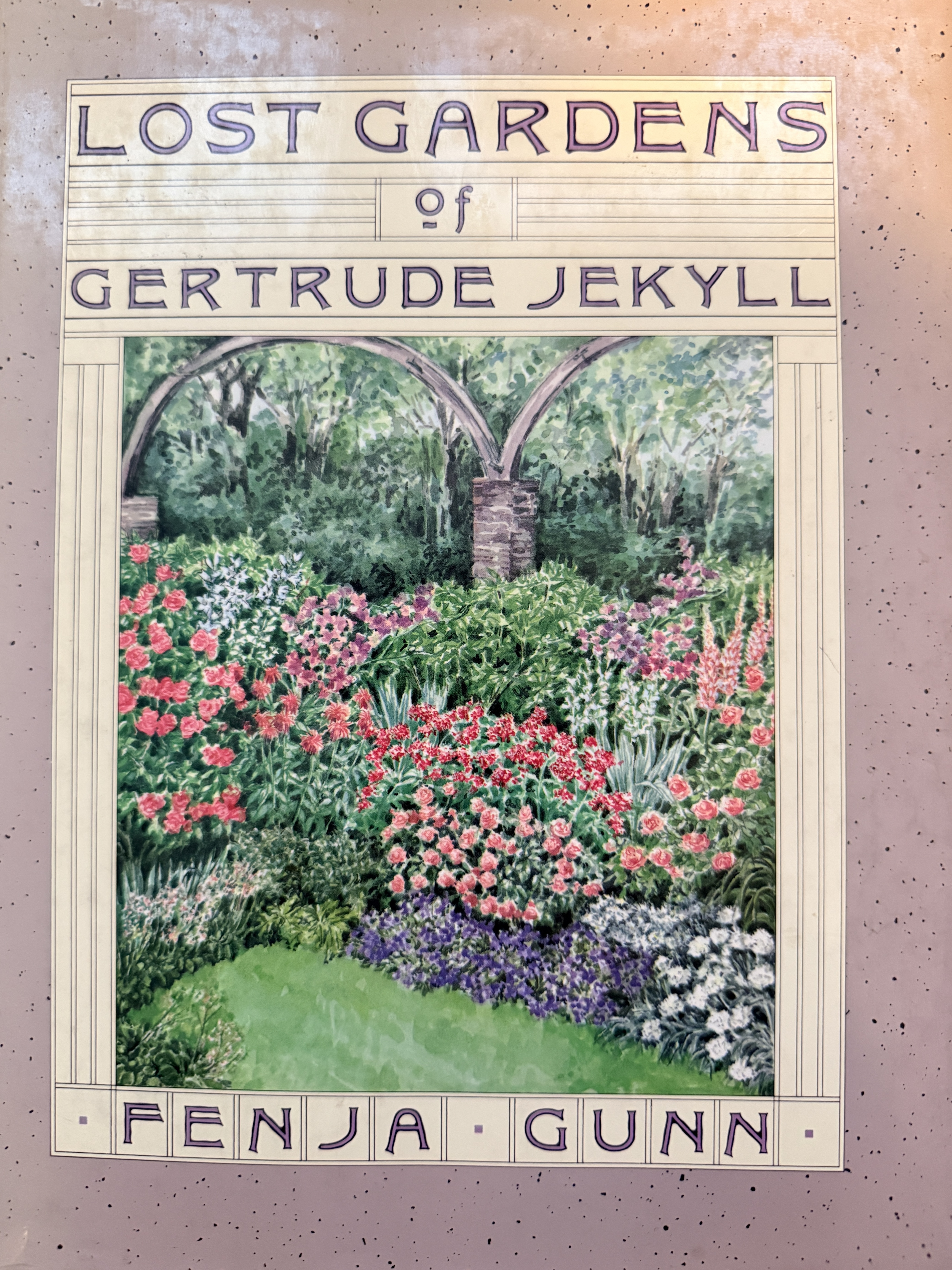
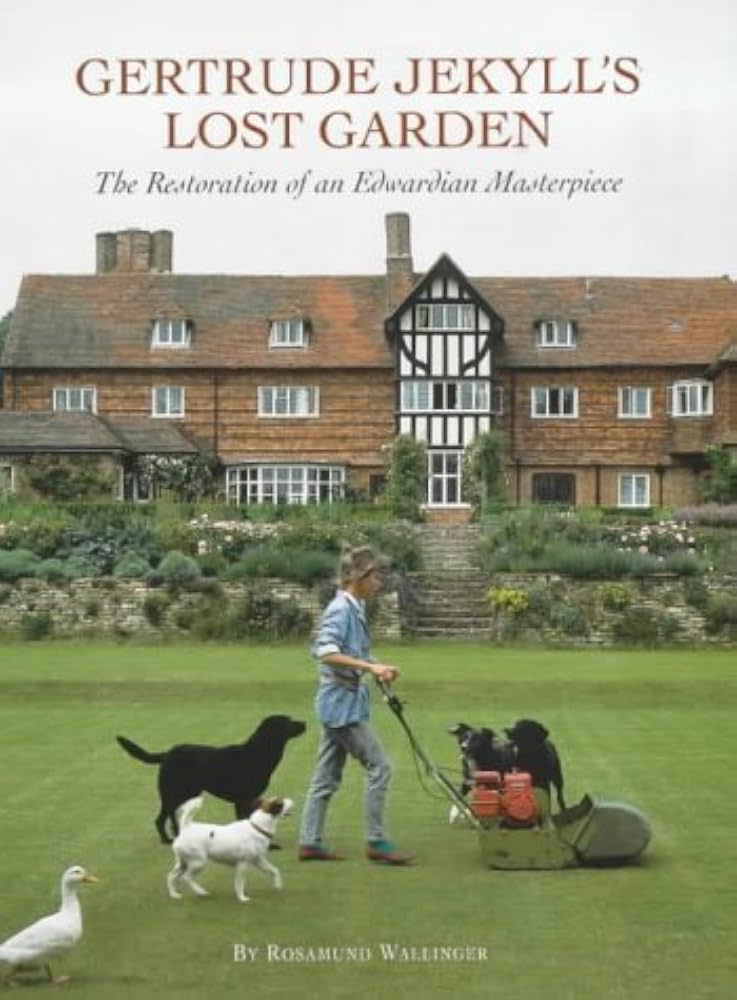
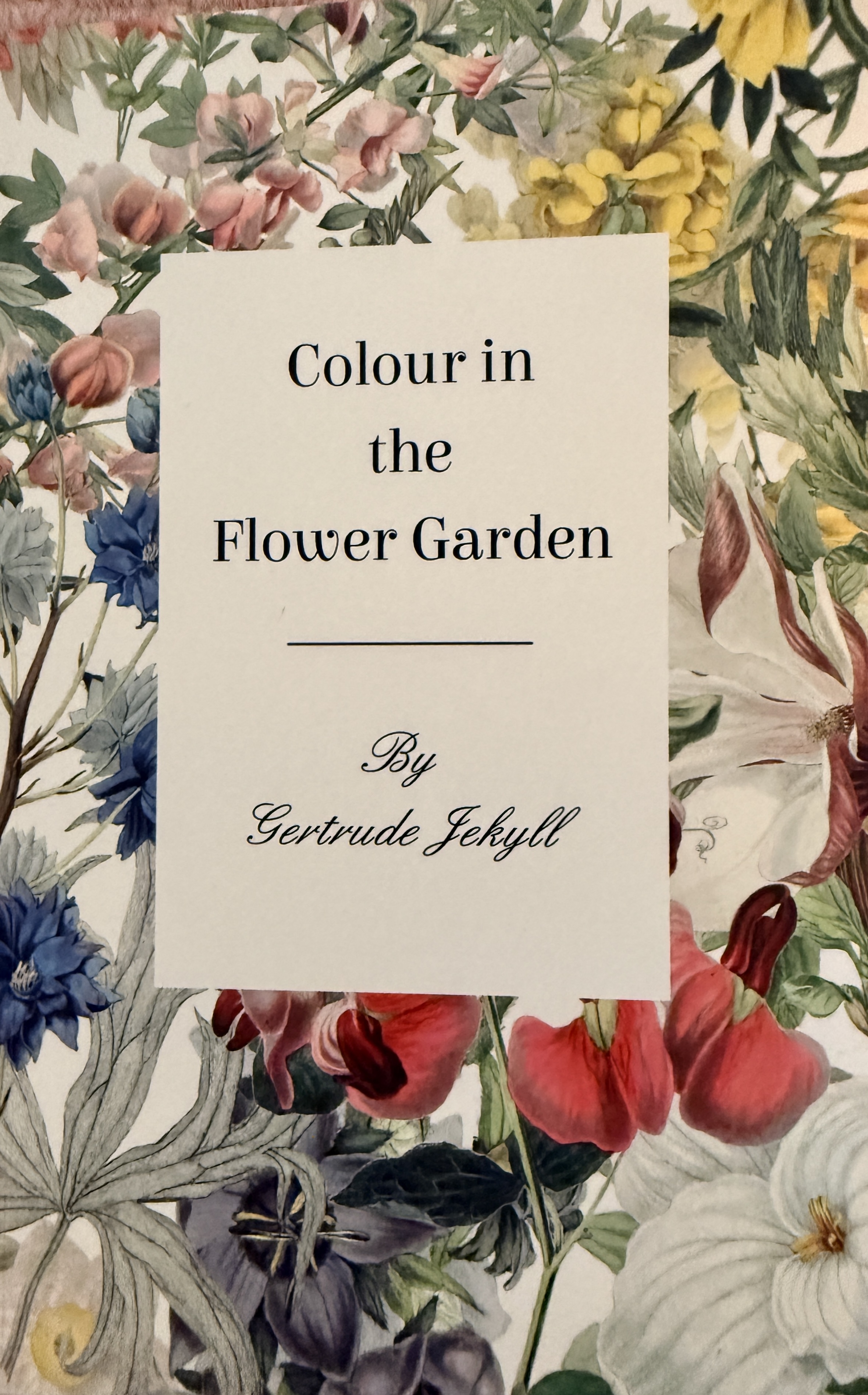
Biography by Sally FestingGertrude Jekyll Essays on the life of a working amateur edited by Primrose Arnander and Michael TooleyBy Fenja GunnBy Rosamund Wallinger (This is the one about the couple that restored their Gertrude garden)Just one (maybe our favorite…if we could pick a favorite) by Gertrude Jekyll
You can find links and photos of her remaining (or inspired by) public gardens on GreatBritishGardens.co.uk.
If you would like to see some of her art, photography, and gardens in one place, plus a gardener-centered look at her work, check out this article at Garden Museum UK, or visit them the next time you’re in London. There are also quite a few on GertrudeJekyll.co.uk (The “Official Gertrude site, has quite a bit of information on her.) For some photos of her home, there’s a lot here in this brochure from when it was last for sale in 2022.
The David Austin rose named for her (known for scent and prolific flowers) you can find it wherever David Austin roses are sold, but also on David Austin Rose’s website.
Beckett talked about a couple that had restored a Gertrude Jekyll garden at their home, Upton Grey. You can’t visit anymore, but you can check out their website! The Manor House
Not a Gertrude design, but Gertrude-inspired and owned by the National Trust, so you can visit in Kent UK, Sissinghurst
There is a rose named after Gertrude, here is some information and the source at David Austin Roses
End music: In Your Garden, by Frigga, used with permission
Virginia Hall wanted to be a diplomat, but the State Department kept shutting doors in her face …and then she lost her leg in a hunting accident, which seemed like she’d reached a dead end. Never one to accept defeat, she learned how to walk again on a wooden leg nicknamed “Cuthbert,” and headed straight into the world of espionage. Once she got to France, she ran circles around the Nazi intelligence services during WW2. The Gestapo actually called her “the most dangerous Allied agent in France”; her actions, and those of her compatriots, changed the course of the war.
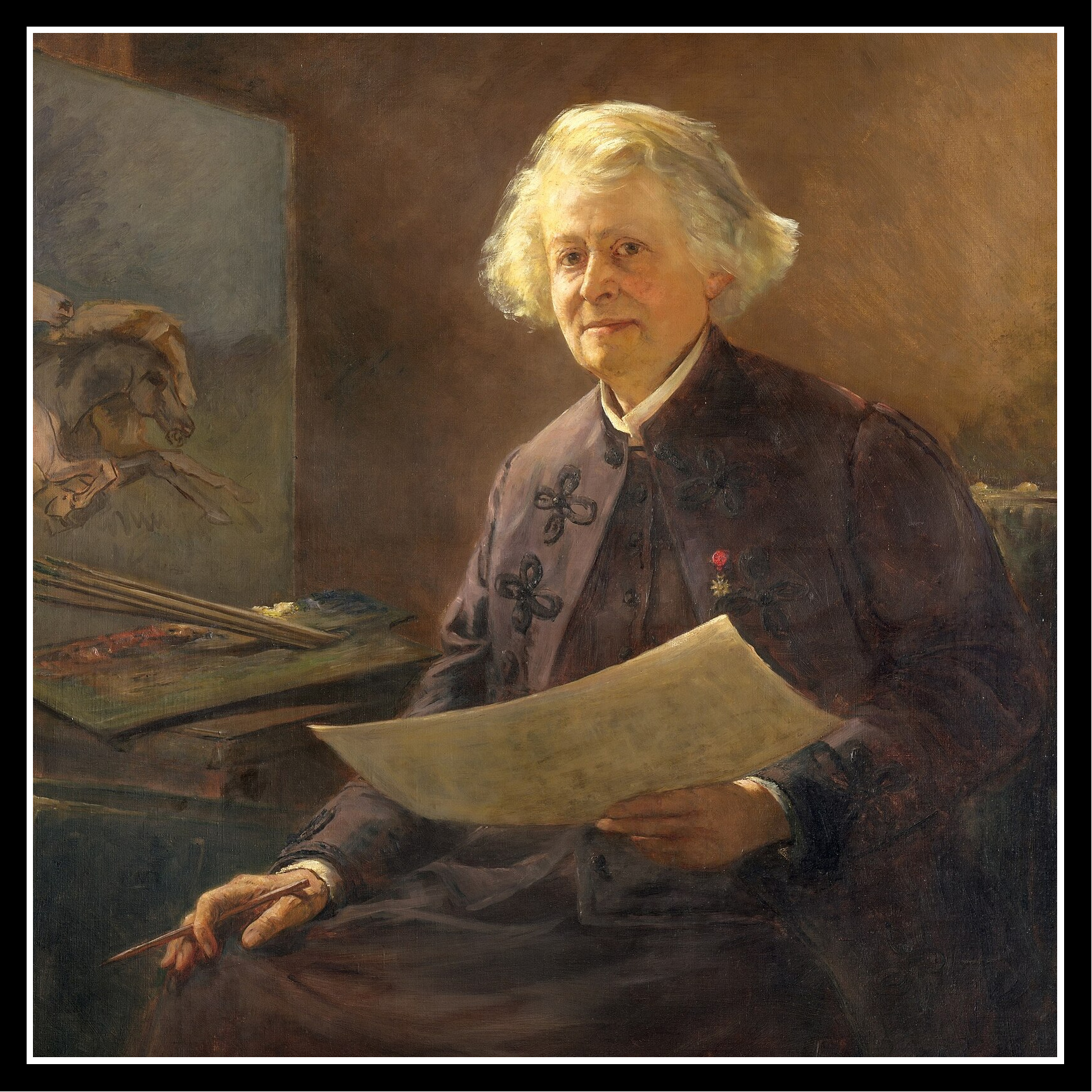
by Anna Klumpke, Rosa circa 1898, age 76 (That look on her face! Excellent.)
Rosa Bonheur was a wild, animal‑obsessed kid who drew before she could read, and knew she was meant for the world of art from an extremely young age.
She didn’t set out to shock anyone; she simply refused to be anything but herself, and the world eventually had to adjust to her as she climbed to the highest of fame as a painter in the 1800s.